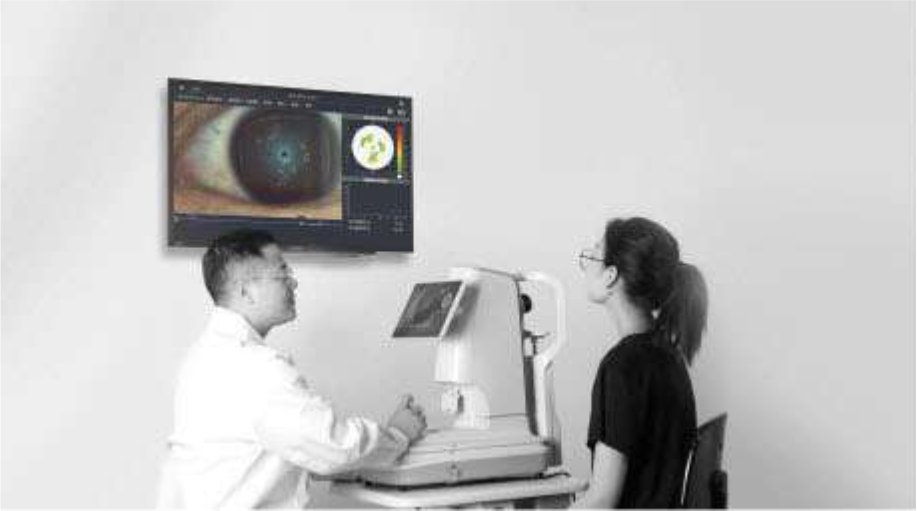
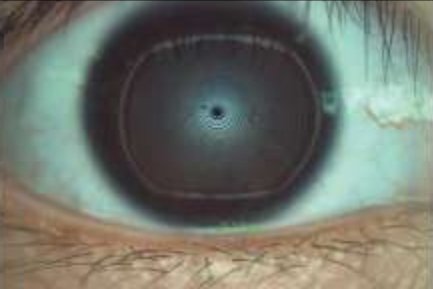
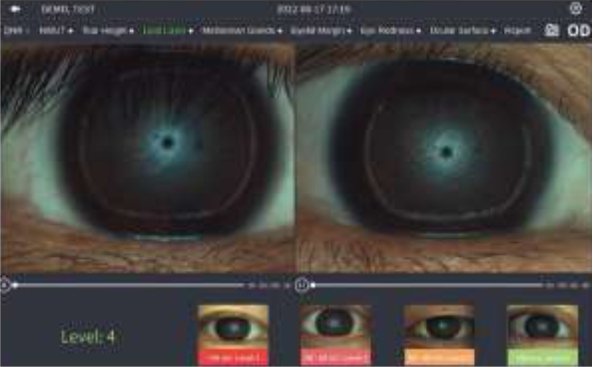
ETD1 a is a multi-purpose corneal topographer that integrated dry eye and corneal topography analysis.

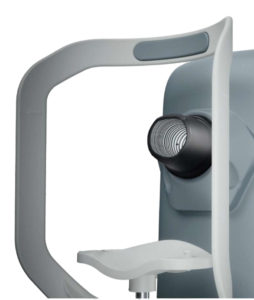
Placido Ring

Thousands of measure points – ensure more data available and accurate analysis

Smaller cone design – bigger projection area

3 Illuminations – white illumination, infrared illumination, cobalt blue illumination

9 Functions

Dry Eye Diagnosis Topography
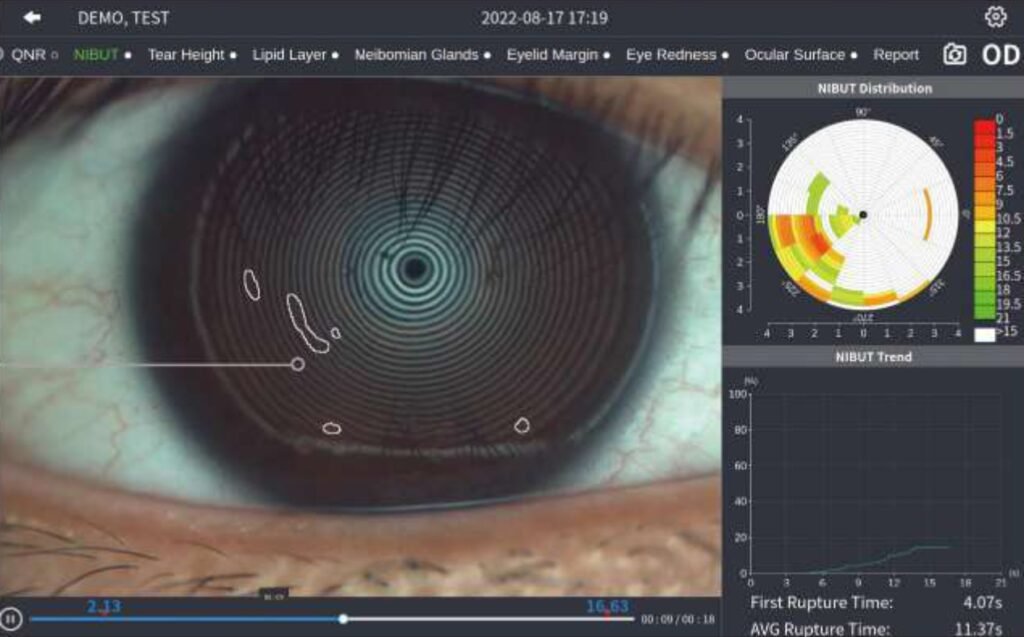
Non-Invasive Tear Film Breakup Time Topography Analysis
Cornea Sodium Fluorescein Staining Pupil & Corneal Diameter Measurement
Non-Invasive Tear Meniscus Height
Eyelid Margin
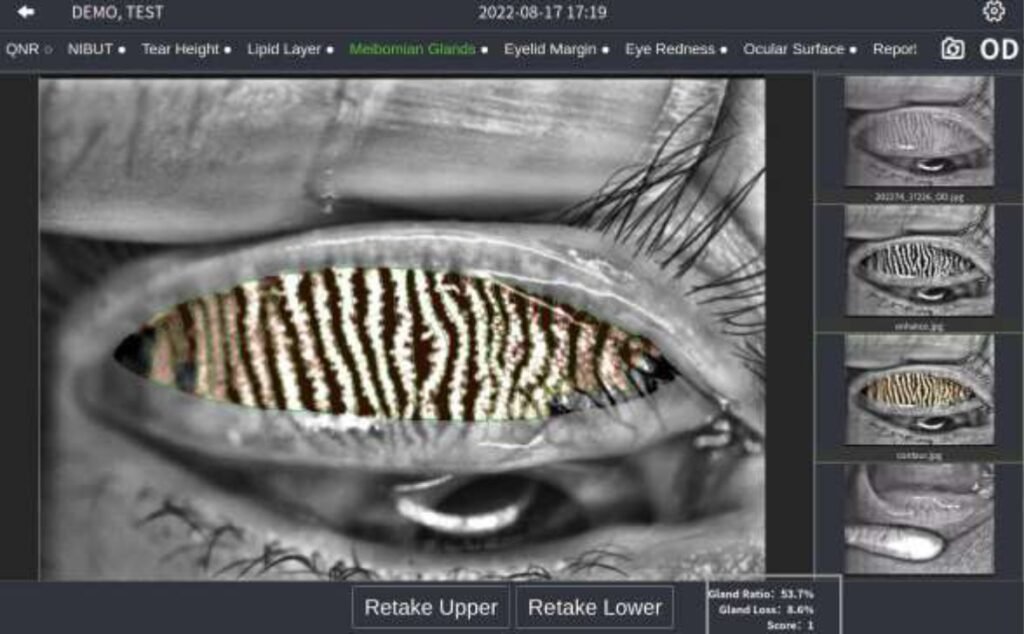
Meibomian Glands Function Evaluation
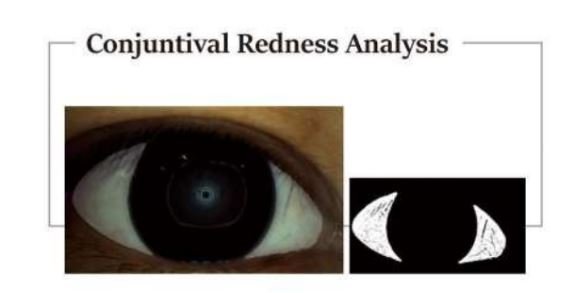
Conjunctival Redness Analysis
Lipid Layer Thickness

Built-in computer

  • Integration design enables maximum treatment room utilization
  • Dry eye diagnosis and Topography analysis integrated
  • 10.1″touchscreen, ease of operation

Doctor-Patient Communication

  • Visualized diagnosis report, easy to understand
  • External display connection enables real-time observation

Ergonomic Design

  • Switch illumination and magnification intelligently under various function modes
  • Compact cone, specially designed for various orbits
  • 50°adjustable display
  • Auto OD/OS recognition

Clinical Application

  • Dry Eye Analysis
  • Lens Fitting Cornea
  • Morphology Diagnosis​

Dry Eye Diagnosis

Make dry eye visualized

Non-Invasive Breakup Time

Meibomian Glands Function Evaluation

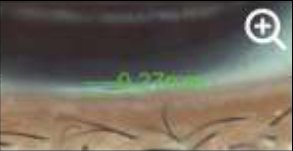
Automatic identification system depicts tear meniscus area and measures the tear height intelligently.

Identify and calculate percentages of conjunctival congestion and ciliary congestions and evaluate severity of eye congestion.

Lipid Layer Thicknes

Observe dynamic lipid layer and distribution by video recording compared with standard templates. It's helpful for judging MGD.
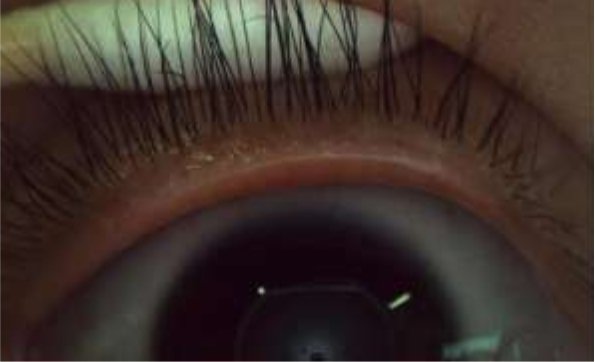
Eyelid Margin

The high resolution image supports zoom in to meet examination requirements of overall shape of eyelid margin and its slight change.
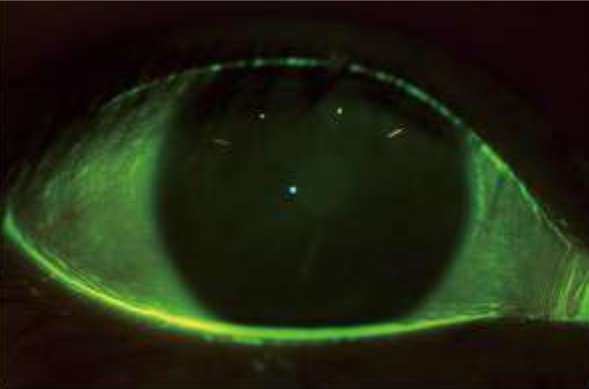
Cornea Sodium Fluorescein Staining

Specially designed built-in yellow filter, working with cobalt-blue illumination improves image contrast of cornea sodium fluorescein. Effectively increases posi- tive rate of early corneal epithelial staining.
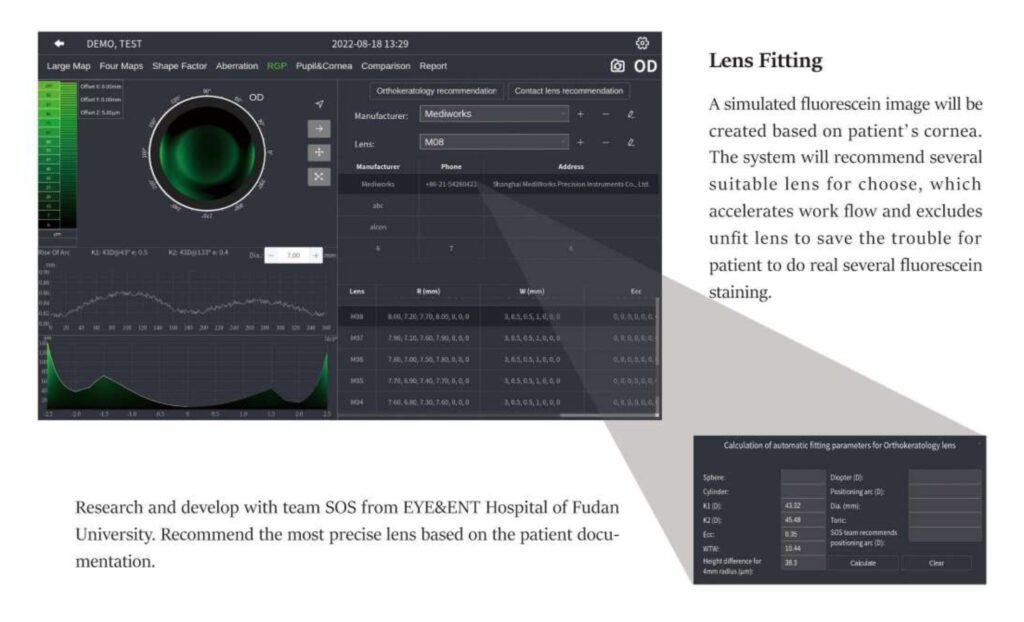
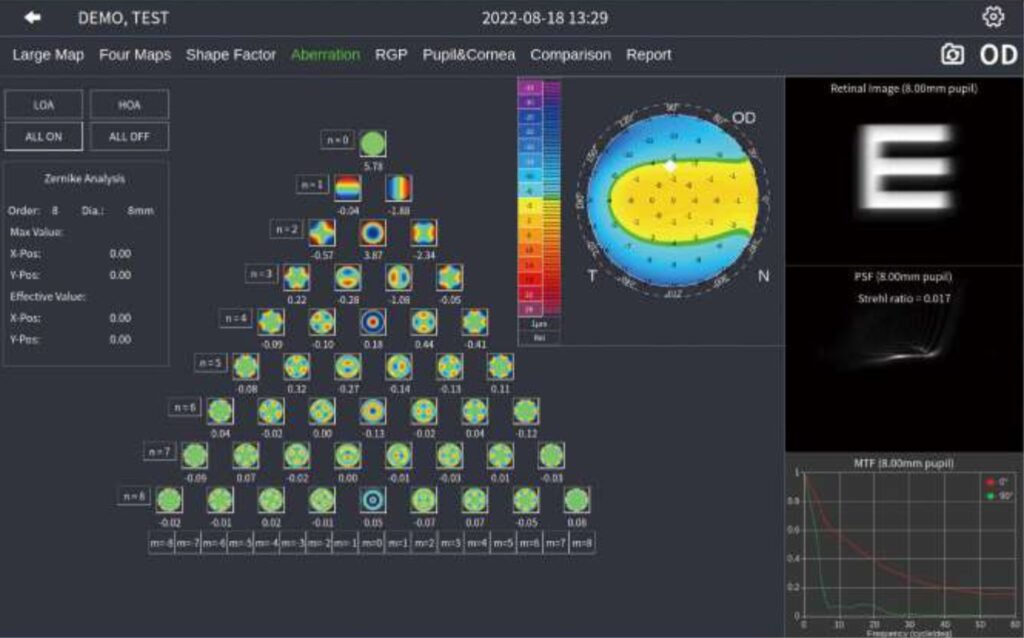
Corneal Topography

Sketch the contours of corneal

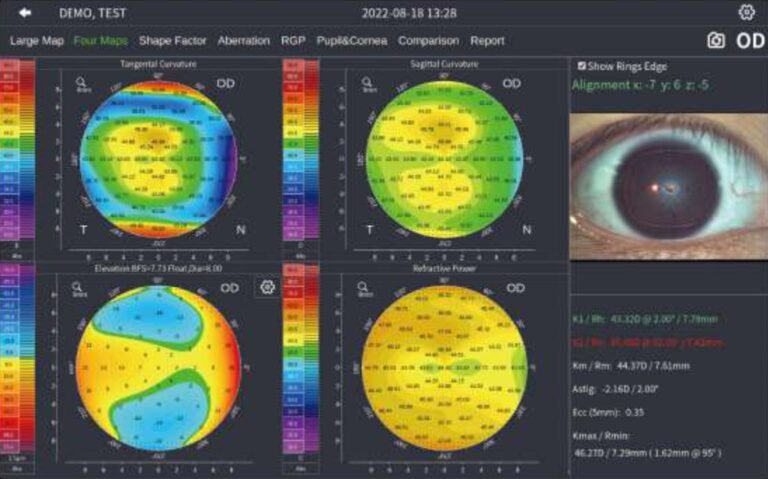
4 Maps

4 maps provide Sagittal Curvature, Tangential Curvature, Elevation Map, Refractive Power, and K1/K2/Km/Astig/Ecc value.

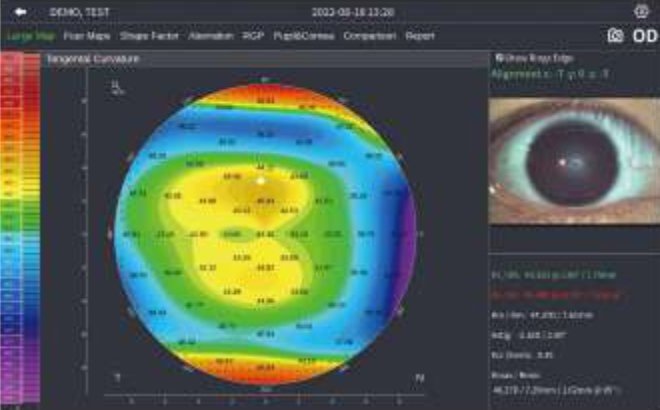
Topography

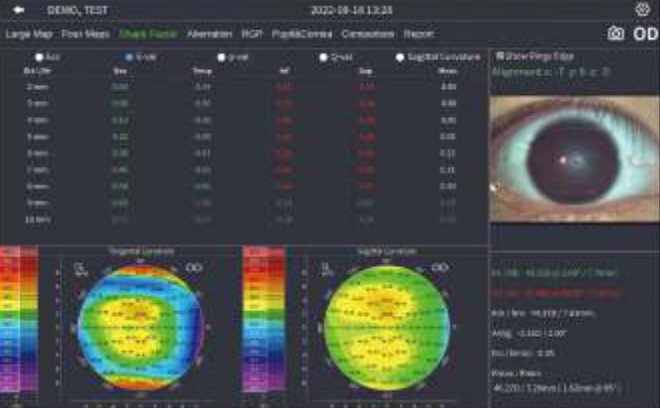
Shape Factor

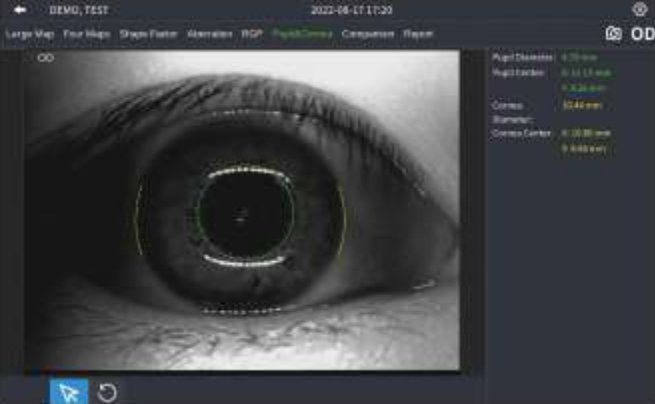
Pupil & Corneal Diameter Measurement
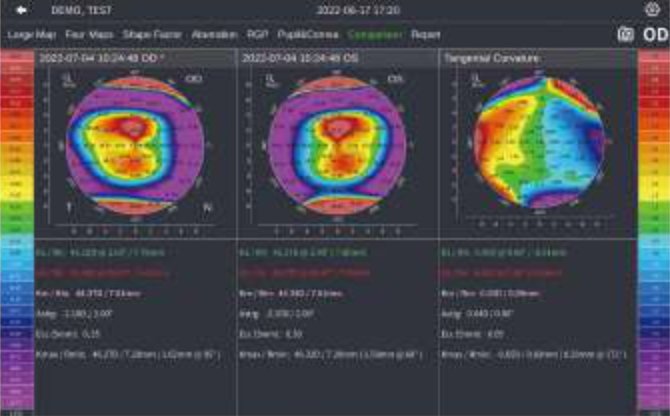
Cases Comparison

Specification

Specifications Details
Hardware
Dimension 53cm x 30cm x 54cm
Weight 12.79kg
Built-in CPU Intel
Hard Disk 1TB
Image Resolution 2048 x 1536
Display 10.1" touchscreen
Illumination White, Infrared, Cobalt blue
Internet Connection WIFI
Printer Connection WIFI, USB
Power Supply 100-240VAC, 50/60Hz
Extension Display Interface Display Port
OSIOD Recognition Automatic
Chin Rest Control Electrical
Left and Right Work Range 0-94mm
Front and Back Work Range 0-64mm
Up and Down Work Range 0-30mm
Language English
DICOM Supported
Topography
Topography 50 Rings
Diameter of Project Area 8mm (430)
Radius of Curvature 32.14 dpt - 61.36 dpt (5.5mm - 10.5mm)
Accuracy ±0.1 dpt (±0.02mm)
Astigmatism Axis 0° - 180°
White to White 6mm - 17mm
Pupil Diameter 1mm - 13mm
Topography Function Sagittal Curvature, Tangential Curvature, Elevation Map, Refractive Power
4 Maps Four Maps Display
Shape Factor P, Q
Zernike Corneal wavefront aberration, PSP map, MTF curve, and Simulated image in different pupil diameters
Examination Result Comparison Support 2 results comparison and difference calculation
Dry Eye Analysis NBUT Automatic analysis, tear film rupture area and time, first break up time, and average break up time
Dry Eye Analysis
Nibut Automatic analysis, tear film rupture area and trend, first break-up time and average break-up time
Tear Meniscus Height 0.01mm - 2mm
Meibomian Glands Meibomian gland loss rate and grade
Lipid Layer Template match
Eye Redness Conjunctival congestion percentage
Eyelid Margin Support digital images zoom in
Ocular Surface Built-in yellow filter

Reach Out