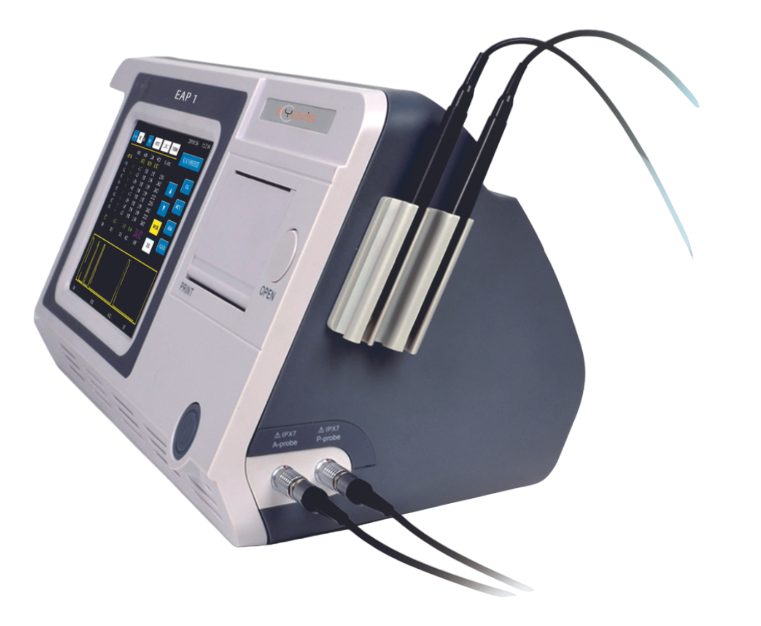
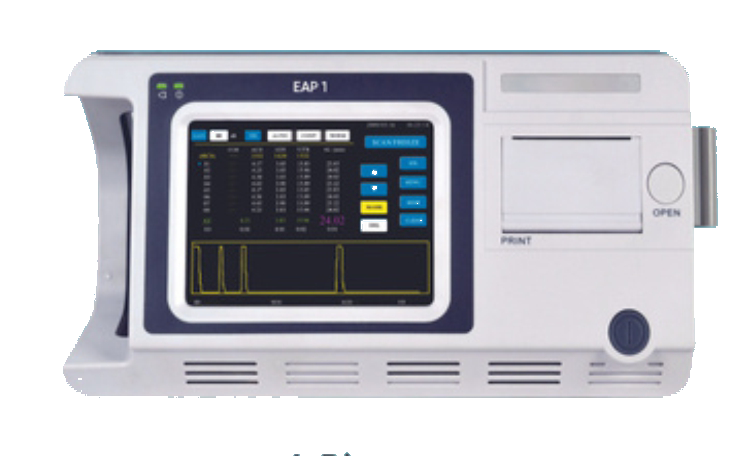
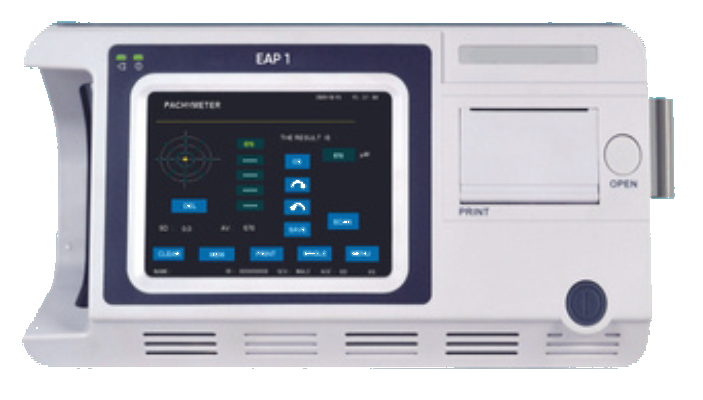
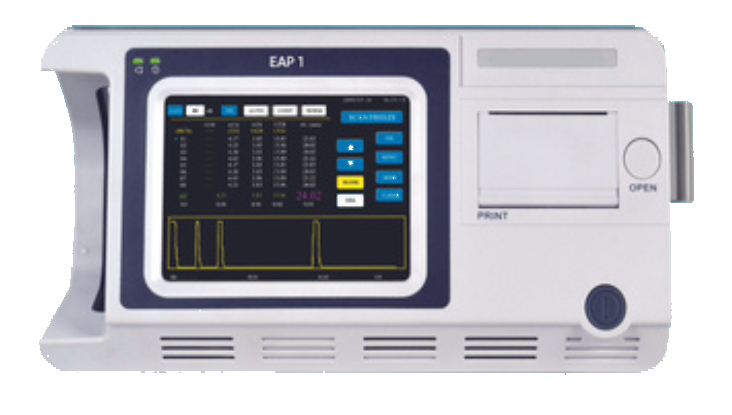
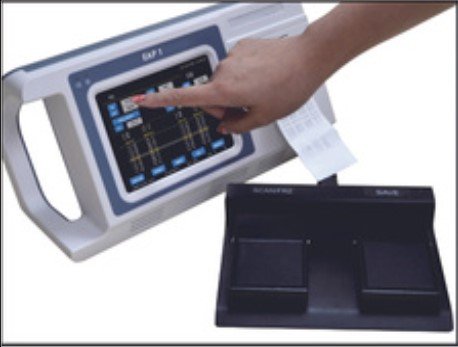
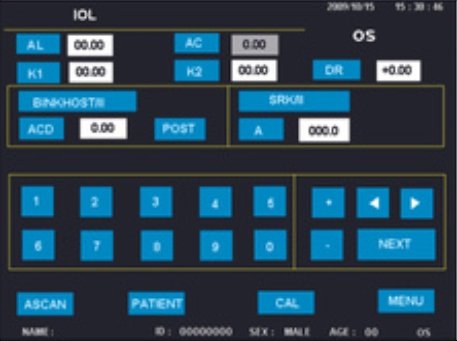
The EAP 1 Ultrasonic Biometer is a device used in ophthalmology to measure the eye’s axial length, which is crucial for calculating intraocular lens power before cataract surgery. It uses ultrasound waves to obtain precise measurements of the eye’s internal structures, including the cornea, lens, and retina. This helps ensure accurate outcomes in refractive and cataract surgeries. The device is non-invasive and provides fast, reliable results.

Features

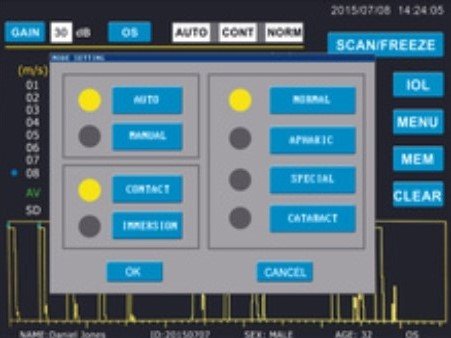
  1. Accurate measurements under both Contact and Immersion modes
  2. Extreme ease of use with touch screen
  3. Automatic / manual modes
  4. Auto gain control
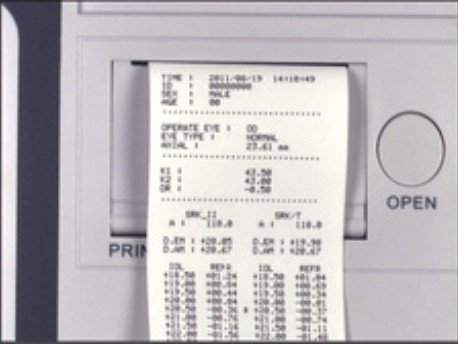
  5. Built-in thermal printer
  6. Portable & ergonomic design

Professional Ultrasound

A-Biometer

Pachymeter

A-Biometer / Pachymeter​

Accessories

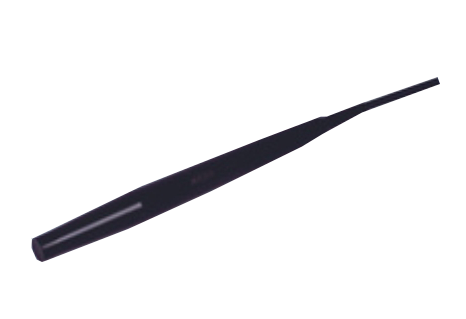
10MHz A-probe

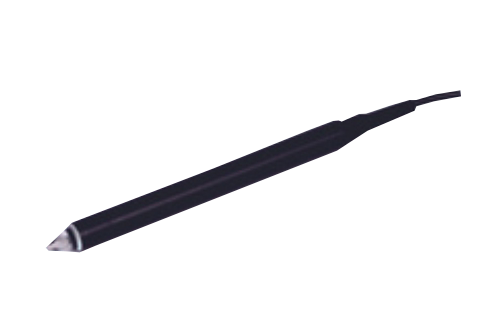
20MHz straight P-probe

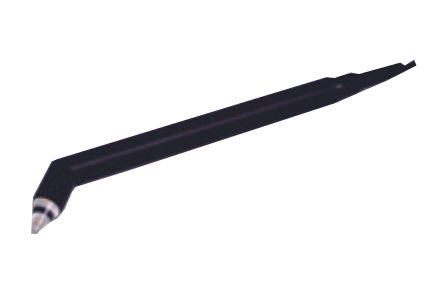
20MHz angled P-probe

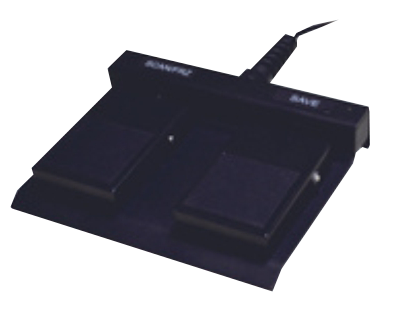
Footswitch

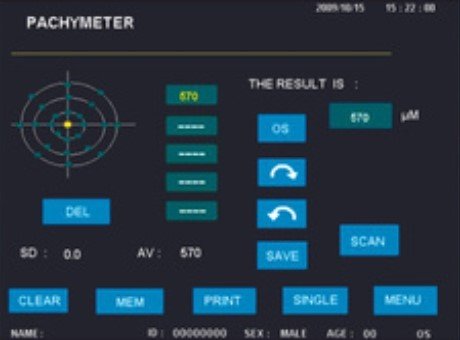
Pachymetry

Accurate Results

Automatic reading at single or multiple points for corneal thickness; Multiple measurements at single point for higher reliability; Higher accuracy enabled by averaging readings.

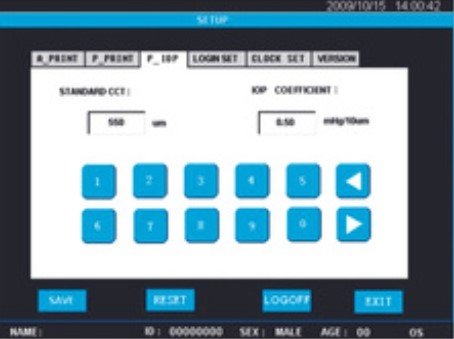
IOP Adjustment

Intraocular pressure adjustment provides reference for tonometer measurement; Parameter adjustability based on user’s experience.

Management

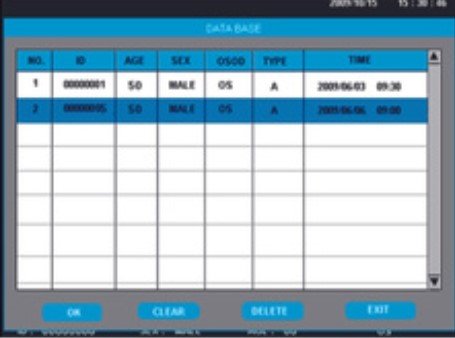
Patient Management

Built-in data archiving capability for storage of up to 180 patient records.

User-defined Preference

Users are free to define acoustic velocities, IOP parameters, and printing options.

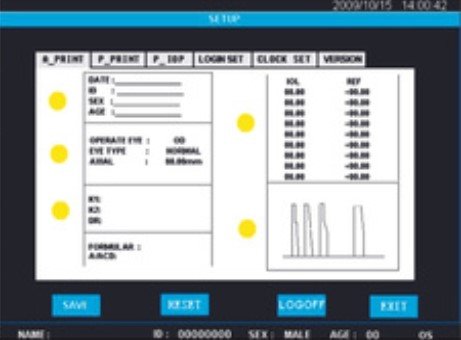
Instant Printout

Single click print-out enabled by in-built thermal printer; User-defined print-out options.

A-Biometry

Precise & Accurate

A-Scan precision and accuracy, under both cataract and immersion mode, are ensured by MEDA’s mature technology and professional expertise in the ophthalmic field.

Reliable

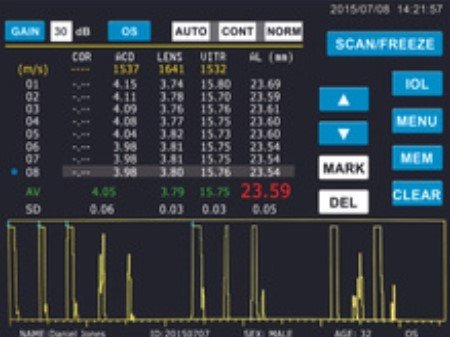
Up to 8 groups of readings automatically measured per each group, with averaging and standard deviation for a higher level of reliability.

Comprehensive

Automatic measurements for 4 different eye types: Normal, Cataract, Aphakic and Special. Manual measurement also available.

Convenient

Touch screen and footswitch equipped to enable smooth operations.

IOL

IOL Formulae

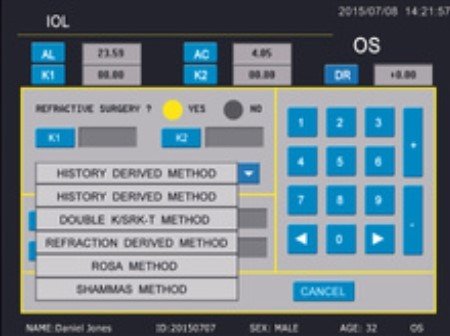
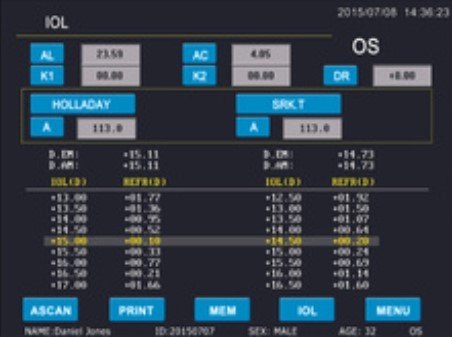
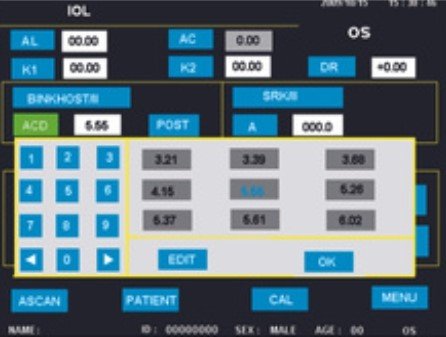
6 popular formulae for IOL calculation; 5 major formulae for post-refractive IOL calculation.

Intuitive Interface

Instant switch among different formulae; Dual-formula display for direct result comparison.

Simple Operations

Higher accessibility of database; Single-click for instant print-out.

Tight Integration

Easy access between A-scan and IOL; Axial length automatically imported from A-scan measurement.

Specification

Specification Details
Probe 10MHz with Fixation Red Light
Total Gain 100dB with an adjustable range of 0–50dB
Biometry Accuracy ±0.05mm
Resolution 0.01mm
Measuring Range 15–40mm
Measuring Mode Contact or Immersion
Measuring Parameters Anterior Chamber Depth, Lens Thickness, Vitreous Length, and Axial Length
Measuring Modes Automatic (Normal, Cataract, Aphakic, and Special) and Manual
Groups of Readings 8 Groups of Readings with Averaging and Standard Deviation
Standard Configuration
Standard Configuration 10MHz Probe, 20MHz Probe, Footswitch, Test Object, AC Adapter
IOL Calculation
General SRK-II, BINK-II, HOFFER-Q, History-derived, Refraction-derived, SHAMMAS
Post-Refractive SRK-T, HOLLADAY, HAIGIS, Double K/SRK-T, ROSA
Pachymeter
Probe Frequency 15–20MHz
Display Resolution 1μm
Biometry Accuracy ±5μm
Measuring Scope 230–1200μm
Maps Multiple Corneal Maps with Graphical Display
General
Power Supply AC 100–240V, 50/60Hz, 50VA
Dimensions 337mm x 177mm x 155mm (L x W x H)
Weight 1.7Kg
Optional
Optional Immersion Shell

Reach Out